WHEN SCHOOLS BURN: Causes, Impact, and Solutions
WHEN SCHOOLS BURN:
Causes, Impact, and Solutions
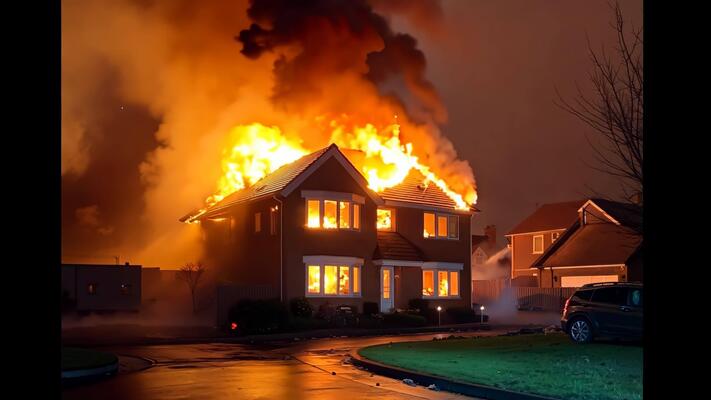
In the dead of night, a dormitory erupts into flames. Students scream and scramble for safety. Teachers rush helplessly toward the inferno while firefighters battle to contain the blaze. By dawn, a school that once symbolized hope and learning has become a scene of destruction, fear, and unanswered questions.
This scenario has become alarmingly familiar in Kenya. Over the past several decades, student strikes and school arson incidents have emerged as one of the most persistent crises facing the country's education system. Hundreds of schools have experienced unrest ranging from demonstrations and property destruction to the burning of dormitories, classrooms, and administrative blocks. The consequences extend far beyond damaged buildings. Lives are disrupted, educational dreams are delayed, and communities are left traumatized. The question that continues to confront educators, policymakers, parents, and students is simple yet profound: Why do schools burn?
Understanding the Crisis
School arson and student strikes are often portrayed as acts of indiscipline committed by rebellious students. While indiscipline may play a role, such explanations fail to address the deeper realities behind the unrest. Research and investigations consistently reveal that these incidents rarely occur without warning. They are often the culmination of frustration, resentment, emotional distress, and unresolved grievances. In many cases, the fire that consumes a school building is merely the visible manifestation of problems that have been smouldering beneath the surface for months or even years.
The Root Causes of Student Strikes and Arson
1. Lack of Student Voice:
One of the most significant contributors to unrest in boarding schools is the absence of meaningful student participation in decision-making. Many students feel that their opinions are ignored and that school policies are imposed without consultation.
When legitimate concerns regarding food quality, living conditions, academic pressure, or disciplinary measures are repeatedly dismissed, frustration accumulates. Without constructive channels for communication, students may resort to destructive methods to attract attention. Young people naturally desire recognition, dignity, and a sense of belonging. When these needs are neglected, resentment can grow rapidly.
2. Authoritarian School Leadership:
Some schools continue to operate under highly rigid and authoritarian systems where obedience is demanded but dialogue is discouraged. Excessive punishments, intimidation, humiliation, and harsh disciplinary approaches can create an atmosphere of fear rather than mutual respect. Students who feel oppressed often become alienated from the institution. Instead of viewing school as a place of growth and support, they begin to see it as an enemy. Such environments can increase the likelihood of collective resistance and unrest.
3. Psychological and Emotional Distress:
Modern students face immense emotional challenges. Academic pressure, family problems, social expectations, relationship issues, and uncertainty about the future which can place significant strain on their mental well-being.
Unfortunately, many schools lack adequate counseling services and mental health support systems. Students struggling with anxiety, depression, anger, or emotional trauma may feel isolated and misunderstood. In some cases, unrest becomes an unhealthy outlet for expressing deeper emotional pain.
4. Poor Living Conditions:
Boarding schools are expected to provide safe, healthy, and supportive environments for learners. However, overcrowded dormitories, inadequate sanitation facilities, poor food quality, water shortages, and deteriorating infrastructure remain common complaints in many institutions. When students perceive that their basic needs are being neglected, dissatisfaction grows. Repeated exposure to uncomfortable conditions therefore, can create a sense of hopelessness and resentment toward school authorities.
5. Drug and Substance Abuse:
Substance abuse has increasingly become a concern in many educational institutions. The use of alcohol, marijuana, and other substances can impair judgment, increase aggression, and encourage reckless behaviour. Students under the influence may become more susceptible to participating in acts of vandalism, violence, or arson. Furthermore, drug-related peer networks often facilitate the spread of disruptive behaviour within schools.
6. Peer Influence and Group Dynamics:
Adolescence is a period characterized by a strong desire for acceptance and belonging. During periods of unrest, students may participate in destructive activities not because they initiated them but because they fear isolation or rejection by their peers.
Group psychology can rapidly transform individual frustrations into collective action. Once unrest begins, social pressure may encourage wider participation, even among students who would otherwise oppose destructive behaviour.
7. Examination Pressure and Academic Stress:
Kenya's education system places substantial emphasis on examination performance. For many students, academic success is viewed as the primary pathway to future opportunities. The pressure to perform can generate anxiety, burnout, and emotional exhaustion. When combined with inadequate support systems, academic stress may contribute to heightened tensions within schools.
The Impact of School Arson and Student Strikes
1. Educational Disruption
Perhaps the most immediate consequence of school unrest is the interruption of learning. Schools are often closed for days, weeks, or even months following major incidents. Students lose valuable instructional time, examination schedules are disrupted, and academic progress is delayed. For candidates preparing for national examinations, such disruptions can significantly affect performance and future opportunities.
2. Economic Losses
The financial cost of school arson is enormous. Dormitories, classrooms, laboratories, libraries, and administrative blocks require millions of shillings to rebuild. These losses place a heavy burden on parents, school boards, government agencies, and taxpayers. Funds that could have been invested in educational improvement are instead diverted toward reconstruction efforts.
3. Psychological Trauma
The emotional impact of school fires extends beyond physical destruction. Students, teachers, parents, and support staff often experience fear, anxiety, grief, and trauma. Those who witness fires or narrowly escape injury may suffer long-lasting psychological effects. Trust between students and school administration can also be severely damaged.
4. Threats to Safety and Human Life:
School arson is not merely a disciplinary issue; it is a serious safety concern. Fires can spread rapidly, especially in overcrowded dormitories and older buildings. History has shown that such incidents can result in injuries and loss of life. Every act of arson carries the potential for irreversible tragedy.
5. Erosion of Public Confidence:
Frequent incidents of unrest undermine public confidence in educational institutions. Parents become anxious about the safety of their children, while communities question the effectiveness of school leadership and governance structures. When schools become associated with violence and destruction rather than learning and development, the reputation of the education system suffers.
Towards Lasting Solutions
Addressing school unrest requires more than punishment and security measures. Sustainable solutions must tackle the underlying causes that drive students toward destructive behaviour. These include:
1. Strengthening Student Participation:
Schools should establish genuine mechanisms for student engagement through representative councils, forums, and regular dialogue sessions. Students who feel heard are more likely to cooperate in resolving conflicts constructively.
2. Investing in Mental Health Services
Every school should prioritize counseling and psychosocial support. Qualified counselors can help students manage stress, emotional challenges, and personal difficulties before they escalate into crises. Mental health support should be viewed as a core educational service rather than an optional addition.
3. Promoting Transformational Leadership
School administrators should cultivate leadership styles based on respect, communication, and collaboration. Effective leaders create environments where students feel valued and where concerns can be addressed openly. Authority is most effective when combined with empathy.
4. Improving Living Conditions
Adequate food, clean water, safe accommodation, proper sanitation, and functional facilities are not luxuries. They are essential components of a healthy learning environment. Investments in student welfare can significantly reduce sources of dissatisfaction.
5. Strengthening Parent and Community Engagement
Parents, religious leaders, local organizations, and community stakeholders should actively participate in supporting schools. Strong partnerships create additional avenues for guidance, mentorship, and conflict resolution.
6. Enhancing Early Warning Systems
Schools should develop mechanisms for identifying emerging tensions before they escalate. Regular feedback surveys, student forums, counseling reports, and grievance procedures can help administrators detect warning signs early.
7. Policy and Legislative Reform
National education policies should encourage participatory governance, strengthen student welfare standards, and provide adequate resources for mental health services. Policymakers must recognize that preventing school unrest requires systemic solutions rather than reactive responses.
Conclusion
When schools burn, the flames consume far more than bricks and mortar. They destroy learning opportunities, drain national resources, traumatize communities, and threaten the future of young people. Yet beneath every burnt dormitory lies a deeper story; a story of students seeking recognition, dignity, understanding, and hope. The recurring cycle of strikes and arson should serve as a wake-up call to educators, policymakers, parents, and society as a whole.
The solution is not found in fear, punishment, or silence. It is found in listening. It is found in creating schools where students feel valued, respected, and supported. Until the education system embraces this reality, the risk remains that another school, somewhere in Kenya, will become the next headline. The challenge before the nation is clear: if schools are to stop burning, students must first be heard.
By Pr. Naftal Ondiba
The author is the Chaplain Tombe Girls High and Senior School. He holds a Bachelor of Theology Degree, Post Graduate Diploma in Education and A Master’s degree in Education Management and Leadership. He is an Endorsed Chaplain from Loma Linda University, USA.